
- Knowledge
- 466
Enhancing Quality Control with Preformed Armor Rods Forming Machine: A Comprehensive Guide
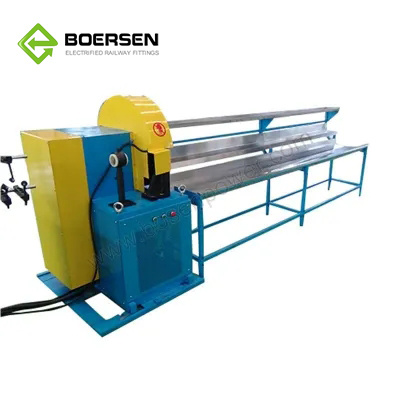
Enhancing Quality Control with Preformed Armor Rods Forming Machine
Introduction to Preformed Armor Rods
Preformed armor rods play a critical role in the manufacturing and installation of overhead power lines. They provide protection to conductors, enhance their durability, and ensure stability under various environmental conditions. With an increased demand for high-quality and reliable products, the importance of quality control in their production cannot be overstated. This is where the preformed armor rods forming machine comes into play, revolutionizing how manufacturers approach quality assurance.
Understanding the Preformed Armor Rods Forming Machine
The preformed armor rods forming machine is designed to create armor rods with precision and efficiency. This machinery utilizes advanced technology to mold rods from materials such as fiberglass and other composites, resulting in products that meet the stringent requirements of modern electrical applications.
Key Features of the Preformed Armor Rods Forming Machine
Precision Engineering: The machine incorporates cutting-edge technology to ensure that each armor rod is formed to exact specifications, minimizing defects and enhancing product quality.
High Production Rates: With its automated processes, the forming machine increases production rates, allowing manufacturers to meet growing demands without compromising quality.
Versatility: This machine can handle various sizes and types of armor rods, catering to diverse industry needs.
User-Friendly Interface: Operators can easily control and monitor the machine’s functions, ensuring consistent output quality.
Benefits of Utilizing the Preformed Armor Rods Forming Machine
Integrating the preformed armor rods forming machine into your production line offers numerous benefits that can significantly enhance your quality control processes.
Improved Consistency and Quality
Quality control begins with manufacturing processes that minimize variability. The forming machine ensures that every rod produced adheres to the same high standards, reducing the chance of defects.
Cost Efficiency
While the initial investment in a preformed armor rods forming machine may be substantial, the long-term cost savings can be significant. Higher production rates and reduced waste lead to lower operational costs.
Enhanced Product Lifespan
Armor rods produced with precision using this machine exhibit improved durability and performance. This leads to longer-lasting products, which can enhance customer satisfaction and trust.
Streamlined Operations
Automating the rod forming process allows manufacturers to streamline operations. With less manual intervention required, the risk of human error decreases, resulting in more consistent quality.
Real-Time Quality Monitoring
Many modern preformed armor rods forming machines come equipped with sensors and software that provide real-time feedback on the production process. This feature enables immediate adjustments, ensuring that quality standards are continuously met.
Best Practices for Implementing the Preformed Armor Rods Forming Machine
To fully leverage the benefits of the preformed armor rods forming machine, manufacturers should adhere to certain best practices.
Proper Training for Operators
Investing in comprehensive training programs for machine operators is crucial. Operators should understand the intricacies of the machine, including setup, operation, and troubleshooting, to maintain optimal performance.
Regular Maintenance and Calibration
Routine maintenance and calibration of the forming machine ensure that it operates at peak efficiency. Implementing a regular maintenance schedule can prevent costly downtimes and quality issues.
Integration with Quality Control Systems
Integrating the forming machine with existing quality control systems enables manufacturers to monitor production quality closely. This integration can facilitate data collection and analysis, leading to informed decision-making.
Continuous Improvement Initiatives
Encouraging a culture of continuous improvement among staff can lead to ongoing enhancements in quality control. Regularly reviewing processes and outcomes can help identify areas for further optimization.
Challenges and Solutions in Using Preformed Armor Rods Forming Machines
While the preformed armor rods forming machine offers several advantages, it is not without challenges.
Machine Downtime
Challenge: Unplanned machine downtime can disrupt production and negatively impact quality control.
Solution: Implement a proactive maintenance program to minimize the risk of unexpected failures.
Material Quality Variability
Challenge: The quality of raw materials can affect the final output.
Solution: Establish strong relationships with reliable suppliers and conduct thorough quality checks on incoming materials.
Operator Skill Gaps
Challenge: Variability in operator skill levels can lead to inconsistent outputs.
Solution: Provide ongoing training and resources to ensure all operators are knowledgeable and capable.
Case Studies: Successful Implementation of Preformed Armor Rods Forming Machines
Examining case studies of companies that have successfully integrated preformed armor rods forming machines can provide valuable insights into best practices and potential outcomes.
Case Study 1: Leading Power Solutions Provider
This company implemented a preformed armor rods forming machine, resulting in a 30% increase in production efficiency and a 25% reduction in defects. By focusing on operator training and maintenance, they ensured consistent quality and customer satisfaction.
Case Study 2: Innovative Electrical Components Manufacturer
Another manufacturer integrated the forming machine into their existing production line, which led to enhanced product reliability. The investment paid off within a year through increased sales and reduced returns due to product failures.
Frequently Asked Questions (FAQs)
1. What materials are typically used in preformed armor rods?
Preformed armor rods are commonly made from fiberglass composites, aluminum, and other durable materials designed to withstand harsh environmental conditions.
2. How does the forming machine improve production efficiency?
The forming machine automates the rod production process, allowing for faster production cycles and reduced manual intervention, which enhances overall efficiency.
3. Can the machine handle different sizes of armor rods?
Yes, many preformed armor rods forming machines are versatile and can accommodate various sizes and specifications of armor rods, making them suitable for different applications.
4. What kind of maintenance is required for the machine?
Routine maintenance typically includes cleaning, lubrication of moving parts, calibration checks, and software updates to ensure optimal performance.
5. How can I ensure the quality of raw materials used in production?
Establishing relationships with reputable suppliers and conducting thorough quality assessments before use can help maintain high standards for raw materials.
Conclusion
The integration of a preformed armor rods forming machine into a manufacturing setup can significantly enhance quality control processes. By ensuring precision, improving consistency, and streamlining operations, manufacturers can produce high-quality armor rods that meet industry demands. Adopting best practices, overcoming challenges, and learning from successful case studies will further solidify the role of this technology in the manufacturing landscape. Ultimately, investing in such an advanced machine not only boosts current production capabilities but also positions businesses for future growth in an increasingly competitive market.